
Few weeks ago everyone became a bit crasy in commenting new US dietary guidelines. It is great that they made it, but I think it’s importaint to analyse similarities, differences and usability for other pyramides and healthy plates and diets.
Before this guidelines we had Herward healthy eating plate, Dash diet and Med diet.
Harvard Healthy Eating Plate is a visual meal planning tool developed by Harvard School of Public Health nutrition experts to represent the healthiest way to compose a single meal. It shows proportions of foods on a plate rather than specific servings per day or week. It is based on the best available nutrition science and is not influenced by industry or agricultural policy https://nutritionsource.hsph.harvard.edu/healthy-eating-plate/
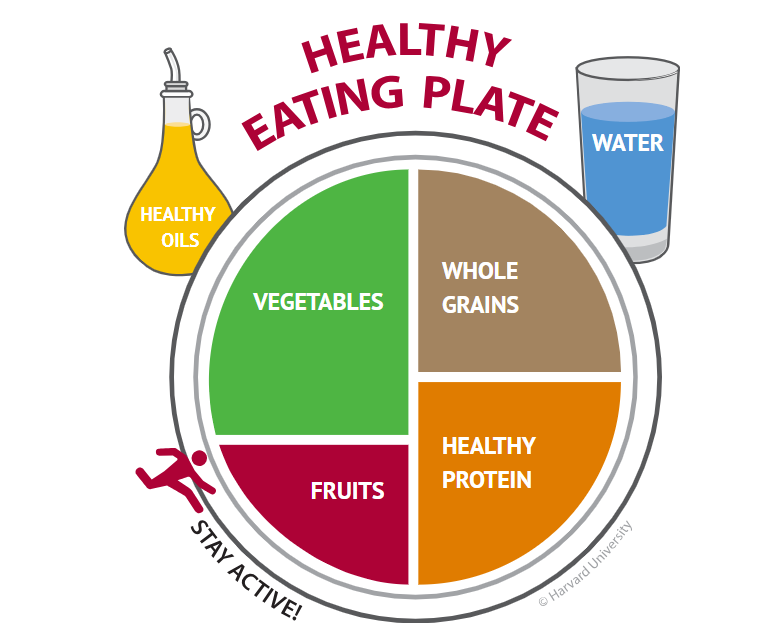
Harvard Plate key principles
- ½ plate vegetables & fruits (vegetables larger portion).
- ¼ plate whole grains (whole, minimally processed).
- ¼ plate healthy proteins (fish, poultry, beans, nuts; limit red and processed meats).
- Healthy plant oils used in moderation (olive, canola, etc.).
- Water, tea, coffee (no sugar) as main drinks; limit milk/juice.
- No strict daily serving numbers — helps build balanced meals
DASH Diet for Cardiologists and ESC https://www.escardio.org/communities/councils/cardiology-practice/scientific-documents-and-publications/ejournal/volume-22/the-effectiveness-of-salt-restriction-versus-other-non-pharmacological-approache/ and AHA https://www.heart.org/en/health-topics/high-blood-pressure/changes-you-can-make-to-manage-high-blood-pressure/managing-blood-pressure-with-a-heart-healthy-diet is developed for people with elevated blood pressure of Hypertension.
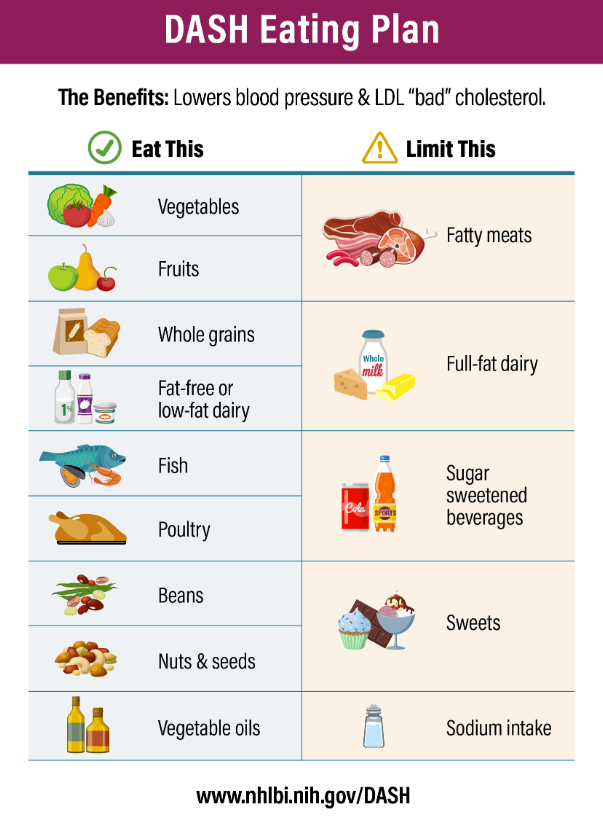
DASH (Dietary Approaches to Stop Hypertension) focuses on specific numeric servings per day and week, designed clinically to lower blood pressure and reduce cardiovascular risk.
DASH has daily servings for vegetables, fruits, whole grains, dairy, lean proteins, nuts/legumes, and strict sodium limits.
Harvard Plate does not prescribe exact daily servings or sodium targets — it shows relative proportions on a plate instead.
DASH emphasizes low-fat dairy and strict sodium control for blood pressure; Harvard Plate puts milk/juice optional and water first, focusing on healthy food quality rather than numeric rules.
The Mediterranean Diet is a pattern of eating widely studied for heart health and longevity — not a single visual plate https://www.sciencedirect.com/science/article/pii/S0939475325000730
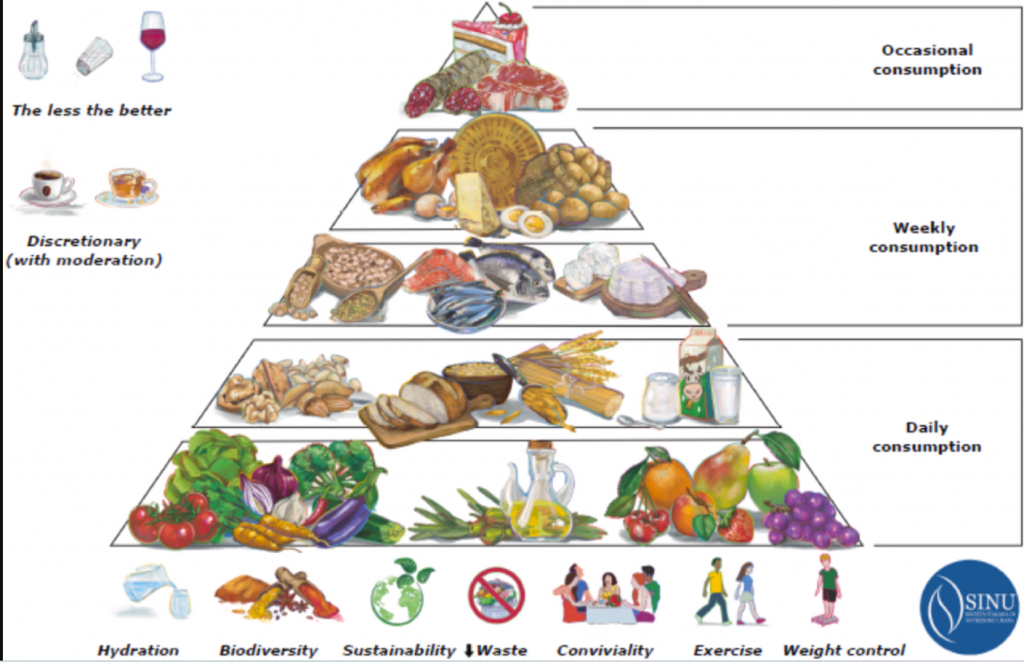
This diet is also recommended by ESC and AHA http://Kris-Etherton PM, Innis S, Ammerican Dietetic Assocition, Dietitians of Canada. Position of the American Dietetic Association and Dietitians of Canada: dietary fatty acids. J Am Diet Assoc. 2007 Sep;107(9):1599-611. Erratum in: J Am Diet Assoc. 2007 Dec;107(12):2151. PMID: 17936958 and http://American Heart Association Nutrition Committee; Lichtenstein AH, Appel LJ, Brands M, Carnethon M, Daniels S, Franch HA, Franklin B, Kris-Etherton P, Harris WS, Howard B, Karanja N, Lefevre M, Rudel L, Sacks F, Van Horn L, Winston M, Wylie-Rosett J. Diet and lifestyle recommendations revision 2006: a scientific statement from the American Heart Association Nutrition Committee. Circulation. 2006 Jul 4;114(1):82-96. doi: 10.1161/CIRCULATIONAHA.106.176158. Epub 2006 Jun 19. Erratum in: Circulation. 2006 Dec 5;114(23):e629. Erratum in: Circulation. 2006 Jul 4;114(1):e27. PMID: 16785338
Mediterranean focuses on high vegetables, fruits, legumes, whole grains, nuts/seeds, olive oil, moderate fish and poultry, limited red meat, moderate wine, minimal sweets.
Harvard Plate shares many Mediterranean features (vegetables, whole grains, healthy fats, healthy proteins).
But Harvard Plate is a meal-level visual tool while Mediterranean Diet is an overall dietary pattern supported by long-term evidence (e.g., PREDIMED trials)
The new USDA Food Pyramid is a population-level guideline that was recently updated with an inverted pyramid emphasizing protein, healthy fats, and minimally processed foods (including some full-fat dairy and red meat) with fewer processed carbs https://www.livescience.com/health/food-diet/new-us-food-pyramid-recommends-very-high-protein-diet-beef-tallow-as-healthy-fat-option-and-full-fat-dairy?
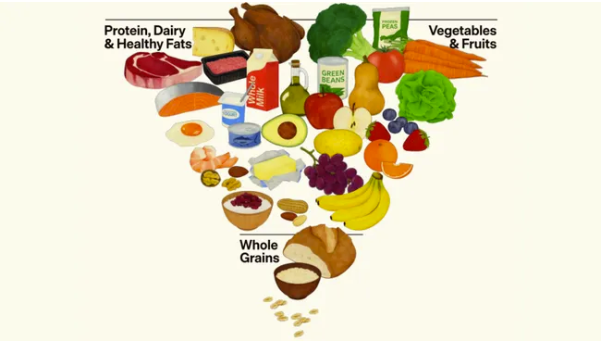
Key differences:
- Harvard Plate puts healthy plant oils and healthy proteins at center and limits red/processed meat;
- New US Pyramid places a higher emphasis on protein and some saturated fats than previous guidelines.
- Harvard Plate does not promote full-fat dairy and explicitly limits sugary drinks and refined grains.
- The new pyramid is policy guidance across an entire diet pattern, not a plating model.
- Harvard Plate is meal-specific and aimed at optimal health based on current evidence, often stricter on refined carbs and unhealthy fats than recent federal guidelines.
SO, Harvard Plate is primarily a meal composition tool focusing on healthful proportions and food quality — not a diet with strict numeric targets.
DASH is a clinical dietary regimen with exact serving and sodium guidelines.
Mediterranean Diet is a holistic, long-term pattern proven to reduce cardiovascular and metabolic risk.
New US Pyramid is national policy guidance with a broad approach to food groups and nutrient emphasis.
Theresore, thinking about different eating pattenrs, don’t forget that sometimes we just can’t compare plate and pyramid, different populations and high risk patients with simple people. It doesn’t mean that we don’t have to follow diet, but we should be aware what person in front of you needs.
