
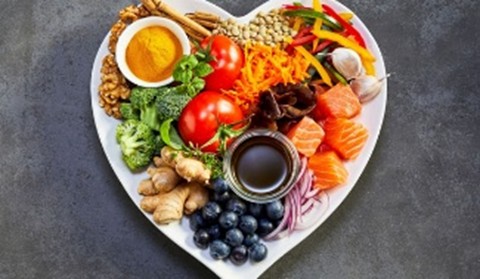
What Is an Anti-Inflammatory Diet?
Inflammation is a normal, essential part of the body’s healing and defense mechanisms. However, when inflammation becomes chronic, it contributes to a wide variety of conditions. Diet plays a powerful role in either promoting or reducing this type of inflammation. Anti‑inflammatory diet is not one specific diet but a pattern: one that emphasizes whole, minimally processed foods (especially plant‑based), healthy fats, fiber, and limits things that tend to promote inflammation (refined carbohydrates, excess saturated fat, processed foods, etc.).
Anti-inflammatory eating patterns are linked to:
- Lower risk of heart disease and stroke
- Improved blood sugar control
- Reduced chronic pain and arthritis symptoms
- Better gut and immune health
- Slower cognitive decline
- Lower levels of C-reactive protein (CRP) and interleukins (IL-6, TNF-α), key inflammation markers in the body.
These foods are packed with antioxidants, healthy fats, fiber, and plant-based compounds that calm inflammation:
- Fatty Fish (Omega-3): Salmon, sardines, mackerel, and trout are rich in EPA/DHA omega-3s that reduce inflammatory markers.
- Extra Virgin Olive Oil: Rich in monounsaturated fats, polyphenols, a powerful anti-inflammatory compound.
- Berries & Fruits: Blueberries, strawberries, cherries, and oranges are high in flavonoids and vitamin C.
- Leafy Greens & Cruciferous Veggies: Spinach, kale, arugula, broccoli, and Brussels sprouts are packed with fiber, vitamins, and phytochemicals.
- Whole Grains & Legumes: Oats, brown rice, quinoa, lentils, and chickpeas are high in fiber and resistant starch, slow glucose response, and promote healthy gut microbiome.
- Nuts & Seeds: Almonds, walnuts, flaxseed, and chia are source of healthy fats (unsaturated & omega‑3), fiber, and magnesium.
- Fermented Foods: Yogurt, kefir, kimchi, sauerkraut promote a healthy gut microbiome that regulates inflammation.
- Herbs & Spices: Turmeric (curcumin), garlic, ginger, and cinnamon are natural anti-inflammatory and antioxidant agents.
These foods may trigger or worsen inflammation and should be reduced:
- Processed and ultra‑processed foods (bacon, sausage, deli meats)
- Sugar-sweetened drinks (soda, flavored energy drinks)
- Refined carbs (white bread, pastries, chips)
- Trans fats (hydrogenated oils)
- Excess saturated fats (fatty cuts of red meat, high‐fat dairy in large amounts)
- Highly processed packaged snacks and meals
Practical Tips:
- Start with small changes: e.g. swap refined grains for whole grains; include a portion of fatty fish twice per week; use olive oil rather than butter; add more veggies/fruit.
- Focus on variety: different plant foods have different phytochemicals & antioxidants.
- Cook more at home so you control ingredients, avoid hidden sugars, refined oils, etc.
- Use herbs & spices as flavour.
- Balance meals: include vegetables, lean or healthy protein source, fiber, healthy fats.
- Monitor portion sizes & overall caloric balance, since excess calories, regardless of source, can promote inflammation via adiposity.
- Smoking, poor sleep, sedentary lifestyle, high stress also increase inflammation.
Don’t stop at food. These habits boost your results:
- Get 7 to 9 hours of quality sleep
- Move daily, aim for 30 minutes of exercise
- Manage stress with mindfulness, breathing, or journaling
- Avoid smoking and limit alcohol
An anti-inflammatory diet isn’t just another passing health trend, it’s a well-researched, science-backed way of eating that focuses on whole, colourful, plant-rich foods, healthy fats, lean proteins, and as few processed items as possible.
You don’t have to follow it perfectly or overhaul your diet overnight. Start with small, realistic changes and tailor your approach to your personal needs, food preferences, and what’s available to you. Combine these nutrition strategies with other healthy habits like quality sleep, regular physical activity, and stress management for the most powerful, lasting results.

Excellent read! The way you explained the connection between physical activity and overall health was very clear. Many people focus only on the scale, but you did a great job reminding readers that progress can be measured in many ways. This article provides real value and encouragement.